Exploring the Rich Tapestry of Meat in Global Cuisines

Exploring the Rich Tapestry of Meat in Global Cuisines

Meat has long been a central component of human diets, not only for its nutritional value but also for its ability to bring people together. Across cultures, meat serves as the foundation for countless dishes, each with its unique flavors, preparation methods, and traditions. This article explores the various types of meat, their culinary significance, and how they are celebrated in cuisines around the world.

The Spectrum of Meat

When discussing meat, it is essential to recognize the variety of options available, each contributing uniquely to culinary experiences. Here are some of the most commonly consumed types of meat, along with their cultural contexts:

Beef is a staple in many countries, valued for its rich flavor and versatility. In Argentina, beef is not just a meal; it represents a way of life. The traditional asado, or barbecue, brings families and friends together to enjoy grilled cuts like ribeye and flank steak. This communal cooking method highlights the importance of social bonds and shared experiences over a meal.

In the United States, barbecue culture varies from state to state, each with its distinct styles and flavors. For example, Texas is famous for its smoked brisket, while the Carolinas are known for pulled pork, seasoned with tangy sauces. These regional differences showcase the diversity of beef preparation and the cultural pride associated with these culinary traditions.

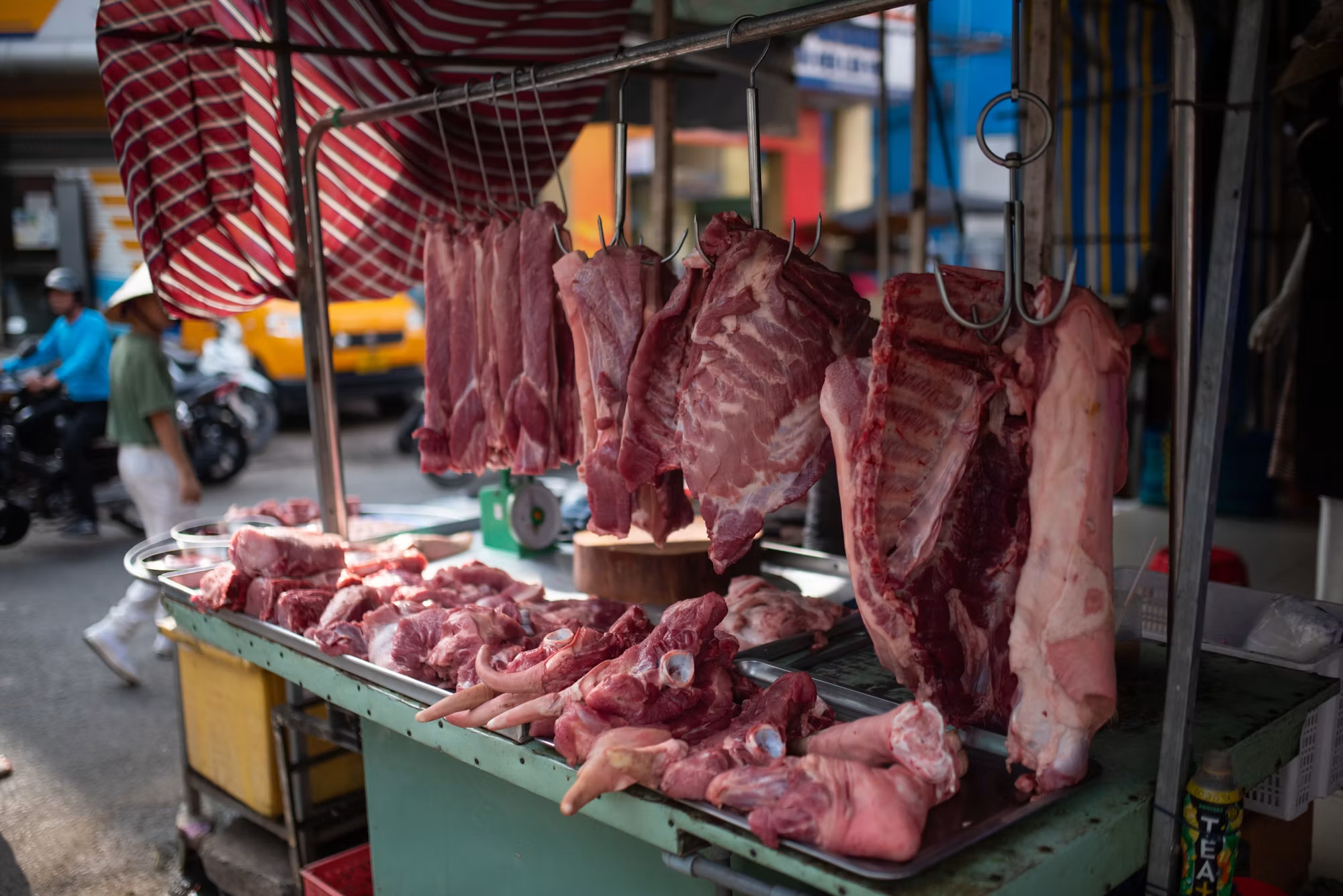
Pork is another widely enjoyed meat, appreciated for its savory qualities. In Spain, the iconic jamón ibérico is a culinary treasure, often served thinly sliced as part of tapas. This cured ham, made from free-range pigs, highlights the craftsmanship of Spanish charcuterie and the cultural significance of shared dining experiences.

In Asia, pork takes on various forms, with dishes like Chinese char siu and Japanese tonkatsu reflecting the region’s diverse culinary landscape. Each preparation method brings out the distinct flavors of the meat, whether it’s through sweet marinades or crispy breading, showcasing the adaptability of pork in different cuisines.

Chicken is a favorite across many cultures, celebrated for its mild flavor and versatility. In Indian cuisine, chicken is often marinated in a blend of spices and yogurt, resulting in dishes like chicken tikka masala, which is rich in flavor and tradition. This dish reflects the Indian ethos of combining spices to create a symphony of tastes, elevating chicken beyond its simplicity.

In the Mediterranean, grilled chicken is a common dish, often paired with fresh vegetables and herbs. Greek chicken souvlaki, for instance, is marinated in olive oil and lemon, then grilled to perfection, offering a light and flavorful meal that embodies the region’s emphasis on fresh ingredients and healthy eating.

Lamb, with its distinctive flavor, is especially revered in Mediterranean and Middle Eastern cuisines. Dishes such as lamb kebabs and roast lamb with herbs celebrate the rich culinary traditions of these regions. In countries like Turkey and Morocco, lamb is often slow-cooked with fragrant spices, resulting in tender, flavorful meals that are often enjoyed during communal gatherings.

Seafood, while not classified as meat in the traditional sense, plays a significant role in many culinary traditions. In coastal regions, fresh fish and shellfish are celebrated for their delicate flavors and health benefits. For instance, sushi in Japan is an art form, where fresh fish is paired with vinegared rice and enjoyed as a delicate, flavorful meal that highlights seasonal ingredients and meticulous preparation.

Cooking Techniques that Enhance Flavor

Understanding the various cooking techniques that enhance the flavors of meat is essential for any culinary enthusiast. Different methods not only affect the taste and texture but also play a significant role in cultural cooking traditions.

Grilling is a popular method worldwide, ideal for beef and chicken. This technique involves cooking over direct heat, which creates a beautiful char and smoky flavor. The Argentine asado, for instance, exemplifies the social aspect of grilling, where families gather around a fire to cook and enjoy their meals together.

Roasting is another essential technique that allows for even cooking and caramelization of flavors. This method is perfect for larger cuts of meat, such as whole chickens or beef roasts. The tradition of Sunday roasts in the UK highlights the importance of family meals, where a perfectly roasted piece of meat is the centerpiece, often accompanied by seasonal vegetables and gravy.

Braising, which involves cooking meat slowly in a liquid, is ideal for tougher cuts. This method allows for flavors to meld and the meat to become tender over time. Dishes like beef bourguignon from France showcase the beauty of braising, where rich red wine enhances the flavor of the meat, resulting in a hearty and comforting dish.

Sautéing offers a quick and effective way to prepare smaller cuts of meat. This method involves cooking over high heat with a small amount of fat, making it ideal for stir-fries and fast meals. In Asian cuisine, sautéed dishes often feature a mix of colorful vegetables and aromatic sauces, highlighting the harmony of flavors that can be achieved through this technique.

Iconic Meat Dishes from Around the World

As we explore the global landscape of meat dishes, several iconic meals stand out for their cultural significance and unique flavors:

1. Coq au Vin (France): This classic dish features chicken braised slowly in red wine with mushrooms and lardons. The rich, flavorful sauce exemplifies French culinary techniques and the importance of using high-quality ingredients.

2. Feijoada (Brazil): A hearty stew made with black beans and various cuts of pork, feijoada is a beloved national dish in Brazil. Traditionally served with rice, collard greens, and orange slices, it represents a celebration of flavors and community.

3. Biryani (India): This aromatic rice dish combines marinated meat, typically chicken or lamb, with fragrant spices and saffron. Biryani is often served during festive occasions, showcasing the richness of Indian cuisine and the artistry of its cooking techniques.

4. Roast Lamb with Mint Sauce (UK): A traditional dish often enjoyed during Easter, roast lamb is seasoned with herbs and served with mint sauce. This combination highlights the harmony of flavors and the cultural significance of lamb in British cuisine.

5. Peking Duck (China): Renowned for its crispy skin and tender meat, Peking duck is a dish that exemplifies Chinese culinary artistry. Traditionally served with thin pancakes, hoisin sauce, and sliced vegetables, it offers a delightful and interactive dining experience.

The Cultural Significance of Meat

The importance of meat in various cultures cannot be overstated. Each dish carries with it stories of heritage, tradition, and community. Meat often plays a central role in celebrations, from weddings to holidays, where it becomes a symbol of abundance and hospitality.

Preserving culinary traditions surrounding meat is vital for maintaining cultural identity and passing down knowledge to future generations. The preparation of traditional meat dishes encourages appreciation for the flavors and techniques that have been refined over time, allowing us to celebrate the richness of our culinary histories.

Conclusion: A Global Celebration of Meat

In conclusion, the world of meat is vast and varied, reflecting the diversity of human culture and culinary practices. From the sizzling grills of Argentina to the aromatic spices of India, each type of meat and its preparation tell a story of tradition, community, and innovation. As we explore and enjoy these dishes, we not only nourish our bodies but also honor the rich tapestry of flavors that unite us across cultures. Let us embrace the culinary journey that meat offers, celebrating the connections it fosters and the memories it creates around the dining table.


Around the World in 80 Dishes: A Culinary Journey

Around the World in 80 Dishes: A Culinary Journey

Food is a universal language, speaking to our senses and evoking memories, traditions, and connections. Each dish tells a story, reflecting the culture and history of the people who create it. This article takes you on a culinary journey around the world, exploring 80 iconic dishes that highlight the diversity and richness of global cuisines.

Starting in Italy, we encounter the beloved pizza, particularly the Neapolitan style, known for its simple yet flavorful toppings of fresh tomatoes, mozzarella, basil, and a drizzle of olive oil. This dish not only satisfies hunger but also embodies the spirit of sharing meals with loved ones, a cornerstone of Italian culture. Another classic is pasta, with countless variations across regions—think of the rich ragù of Bologna or the fresh, herb-infused pesto from Genoa, each telling a tale of local ingredients and culinary traditions.

Moving to Mexico, we discover the taco, a versatile staple that can be filled with everything from succulent carnitas to fresh grilled vegetables. Tacos are often garnished with cilantro, onions, and a squeeze of lime, creating a perfect balance of flavors. Another significant dish is mole, a rich sauce made with various ingredients, including chocolate and spices, showcasing the complexity of Mexican culinary heritage.

In Asia, we explore the diverse offerings of Chinese cuisine, which varies significantly from region to region. Dim sum, a collection of small dishes typically served in steamer baskets, exemplifies the social aspect of Chinese dining, where sharing is key. Meanwhile, Peking duck, with its crispy skin and tender meat, represents the meticulous preparation and rich flavors characteristic of Chinese cooking.

Japan’s culinary tradition offers a deep appreciation for aesthetics and seasonality. Sushi, particularly nigiri, is crafted with precision, pairing fresh fish with seasoned rice, while ramen showcases the skill of the broth-making process, with rich flavors developed through slow cooking. Both dishes highlight the importance of quality ingredients and craftsmanship in Japanese cuisine.

In Thailand, the famous Pad Thai embodies the country’s love for vibrant flavors and textures. Made with stir-fried rice noodles, eggs, tofu or shrimp, and topped with crushed peanuts and lime, it represents the perfect balance of sweet, sour, and salty. Another notable dish is green curry, which combines fragrant herbs and coconut milk, resulting in a deliciously spicy meal.

Traveling to the Mediterranean, we find Greece, known for its healthful and flavorful dishes. Moussaka, a layered dish of eggplant, minced meat, and béchamel sauce, showcases the rich flavors of Greek cooking. Additionally, the fresh Greek salad, with its tomatoes, cucumbers, olives, and feta cheese, highlights the importance of local produce in their cuisine.

In France, culinary artistry reigns supreme, with dishes like coq au vin—chicken braised with wine, mushrooms, and lardons—illustrating the depth of French flavors. Meanwhile, the delicate pastry known as crème brûlée offers a sweet ending to any meal, combining creamy custard with a crisp caramelized sugar top. French cuisine emphasizes technique and presentation, making every meal a work of art.

South America presents an exciting culinary landscape, with Peru at the forefront. Ceviche, raw fish marinated in citrus juices, is a dish that highlights the freshness of local seafood. Another signature dish is lomo saltado, a stir-fry that combines Peruvian and Chinese influences, showcasing the country’s rich multicultural heritage.

The culinary traditions of India are as vast as its geography, with each region offering unique flavors and dishes. Butter chicken, rich and creamy with aromatic spices, has gained international fame, while the vegetarian thali provides a feast of various dishes, allowing diners to experience a range of flavors in one meal. Indian cuisine often emphasizes the use of spices, which not only enhance taste but also add depth and complexity.

As we move towards the Middle East, we discover dishes like hummus and falafel that have become beloved globally. Hummus, a creamy dip made from chickpeas, tahini, and olive oil, showcases the region’s use of legumes and healthy fats. Falafel, crispy balls made from ground chickpeas or fava beans, serves as a delicious vegetarian option, often served in pita bread with fresh vegetables.

In the realm of snacks, we find various offerings that differ widely across cultures. In Spain, tapas encourage social dining, with small plates featuring olives, cheeses, and cured meats, allowing for a leisurely dining experience. In Japan, onigiri—rice balls filled with savory ingredients—provide a convenient yet satisfying snack, often wrapped in nori.

Desserts also play a significant role in culinary traditions. Gelato from Italy offers a creamy, intense flavor that distinguishes it from regular ice cream. French pastries, such as macarons and éclairs, highlight the artistry of French patisserie, showcasing colorful designs and rich fillings. In contrast, the simple yet delicious tres leches cake from Latin America captures the essence of indulgence with its sponge soaked in three types of milk.

Beverages are a vital part of any culinary experience, complementing meals and enhancing flavors. In Italy, a robust espresso serves as a quintessential end to a meal, while in Japan, matcha tea reflects the country’s cultural appreciation for tradition and ceremony. The diversity of beverages, from refreshing smoothies to fine wines, adds another layer to the global culinary experience.

Cooking techniques also contribute significantly to the flavors and textures of dishes. Grilling, baking, steaming, and sautéing are methods that highlight the unique qualities of ingredients, allowing them to shine. For instance, grilling imparts a smoky flavor to meats and vegetables, while baking is essential for creating bread and pastries that are staples in many cuisines.

Special diets have gained prominence, influencing the way we think about food. Vegan and gluten-free options are becoming increasingly popular, showcasing the versatility of plant-based ingredients and the creativity involved in crafting satisfying meals without traditional animal products or gluten. Dishes like lentil burgers and quinoa salads not only cater to dietary preferences but also demonstrate the breadth of flavors available.

As we explore these 80 iconic dishes, we realize that each plate tells a story, connecting us to the people and cultures that create them. The joy of food lies not only in its ability to nourish but also in its power to bring people together, fostering connections and creating memories. Each cuisine we’ve explored reflects the unique heritage and creativity of its people, inviting us to appreciate the rich tapestry of global flavors.

In conclusion, the culinary world is a vast and vibrant landscape that invites exploration and discovery. From the bustling street food markets of Bangkok to the elegant dining rooms of Paris, each dish is a reflection of the culture and history behind it. Embracing this diversity not only enriches our palates but also broadens our understanding of the world around us, reminding us of the universal love for food that transcends borders and unites us all.

Exploring the Art of Baking: Techniques, Traditions, and Global Delights

Exploring the Art of Baking: Techniques, Traditions, and Global Delights

Baking is an age-old culinary art that transforms simple ingredients into delightful creations. From crusty breads to decadent pastries, the world of baking offers a myriad of flavors, textures, and traditions that reflect the cultures from which they originate. In this article, we will explore the techniques of baking, highlight regional specialties, and uncover the cultural significance of baked goods around the world.

At its core, baking involves a precise combination of ingredients, heat, and time. The fundamental components of most baked goods include flour, water, leavening agents, and fat. Each ingredient plays a crucial role; flour provides structure, water activates gluten, leavening agents create rise, and fat adds richness. Understanding these basic principles allows bakers to experiment and innovate, creating new and exciting recipes that cater to diverse palates.

One of the most essential techniques in baking is kneading, particularly for bread. This process develops gluten, giving the dough elasticity and strength. The act of kneading also introduces air, which is vital for achieving the desired rise. Different types of bread, such as baguettes, focaccia, and sourdough, require specific kneading techniques to produce distinct textures and flavors. For instance, sourdough relies on a slow fermentation process, where natural yeasts and bacteria develop complex flavors over time, setting it apart from commercially yeasted breads.

In addition to bread, pastries are a significant component of baking. Pastry dough is typically made with flour, butter, and water, and the technique of laminating involves folding and rolling the dough multiple times to create layers. This method is essential for pastries like croissants and puff pastries, which are known for their flaky texture. The science behind laminating is fascinating; as the dough is baked, the layers of fat create steam, causing the pastry to rise and develop its signature flaky quality.

Across the globe, each culture has its unique baked goods that reflect local ingredients and traditions. In France, the art of patisserie is celebrated, with an array of exquisite pastries like éclairs, macarons, and tarts. French bakers often dedicate years to mastering their craft, emphasizing precision and technique. The cultural significance of these pastries is profound, as they are often enjoyed during celebrations and gatherings, embodying the joy of sharing food with loved ones.

Italy, renowned for its culinary delights, also boasts a rich tradition of baked goods. From rustic breads like ciabatta and focaccia to sweet treats like panettone and cannoli, Italian baking showcases a variety of flavors and textures. The use of quality ingredients, such as olive oil and local fruits, enhances the authenticity of Italian baked goods. In many regions, baking is a communal activity, where families gather to prepare traditional recipes passed down through generations, reinforcing bonds and preserving culinary heritage.

Moving to the Middle East, the art of baking takes on new forms with breads like pita and lavash. These flatbreads are often baked in traditional clay ovens, resulting in a unique flavor and texture. In addition to bread, Middle Eastern bakers create a plethora of sweets, such as baklava and kunafa, made with layers of pastry, nuts, and sweet syrups. The preparation of these delicacies is often a communal event, reflecting the culture of hospitality and sharing that is prevalent in the region.

In Asia, baking has evolved in fascinating ways, influenced by both traditional techniques and modern innovations. For instance, in Japan, the delicate art of making mochi—a rice cake made from glutinous rice—has gained popularity worldwide. Mochi can be filled with various ingredients, including sweet red bean paste or ice cream, showcasing a unique blend of textures. Japanese cheesecakes, known for their light and fluffy consistency, have also captured the hearts of many, demonstrating the versatility of baking in adapting to local tastes.

The cultural significance of baking extends beyond just food; it often symbolizes celebration and community. In many cultures, baked goods are integral to festivals and rituals. For example, during Diwali, the Hindu festival of lights, families prepare sweets like laddus and barfis to share with friends and relatives, reinforcing the bonds of community. Similarly, in many Western cultures, baked goods like fruitcakes and gingerbread houses are synonymous with holiday celebrations, marking special occasions and creating lasting memories.

As the world becomes more interconnected, baking techniques and traditions are being shared and celebrated globally. The rise of social media platforms has allowed home bakers to showcase their creations, inspiring others to explore the art of baking. Online tutorials and baking challenges have created a vibrant community where individuals can learn, experiment, and share their passion for baking. This exchange of ideas fosters innovation and encourages bakers to push the boundaries of traditional recipes.

In recent years, the focus on health and wellness has also influenced the world of baking. Many bakers are exploring alternative ingredients, such as whole grains, gluten-free flours, and natural sweeteners, to cater to changing dietary preferences. This trend reflects a growing awareness of health-conscious choices while still embracing the joy of baking. The art of baking continues to evolve, offering opportunities for creativity and adaptation.

In conclusion, baking is a timeless culinary art that transcends borders, cultures, and generations. It is a celebration of flavors, techniques, and traditions that bring people together. As we explore the diverse world of baked goods, we honor the stories and cultures that shape our culinary experiences. Whether it’s the simplicity of a homemade loaf of bread or the intricacy of a delicate pastry, baking invites us to connect with each other and share in the joy of food. So, roll up your sleeves, preheat your oven, and embark on your own baking adventure, creating delicious memories one recipe at a time.

Exploring the Future of Alternative Protein Sources in the Food Industry

Exploring the Future of Alternative Protein Sources in the Food Industry

In recent years, the global food industry has been undergoing a major transformation, with one of the most significant shifts being the move towards alternative protein sources. As concerns about environmental sustainability, animal welfare, and health continue to grow, consumers and food manufacturers are increasingly turning to new protein sources that offer more sustainable, ethical, and health-conscious alternatives to traditional animal proteins. From plant-based proteins like peas, soy, and lentils to lab-grown meats and even insect-based protein, the landscape of protein production is rapidly evolving.

The Rise of Plant-Based Proteins

Plant-based proteins have long been a staple in vegetarian and vegan diets, but in recent years they have gained mainstream popularity. Advances in food technology, consumer demand for healthier options, and the increasing environmental impact of animal farming have all played a role in this shift. Today, plant-based proteins are not only found in vegan or vegetarian products but have become key ingredients in a wide range of products, from meat substitutes to dairy alternatives.

Soy has long been the go-to protein source for plant-based foods. It’s a complete protein, meaning it contains all nine essential amino acids, and is used in products like tofu, tempeh, and soy milk. However, other sources of plant-based protein are starting to take the spotlight, offering a wider variety of textures and flavors.

Pea protein is one such alternative that has seen a surge in popularity, particularly in products like plant-based burgers and protein powders. Pea protein is highly versatile and has a neutral flavor, which makes it ideal for blending with other ingredients in meat alternatives. It is also rich in iron and is a great choice for those looking to boost their protein intake without consuming animal-based products.

Another notable plant-based protein source is lentils. Lentils are rich in protein, fiber, and essential vitamins, making them a nutritious choice for those looking for plant-based alternatives to meat. They are used in everything from vegan sausages to protein-rich soups and stews. Additionally, chickpeas are another protein-packed legume that is becoming increasingly popular, especially in the form of hummus, falafel, and as a base for protein-rich snacks.

As the demand for plant-based proteins continues to grow, food manufacturers are investing heavily in developing new plant-based products that offer better texture, taste, and nutritional profiles. With companies like Beyond Meat and Impossible Foods leading the charge, the plant-based meat market has become one of the fastest-growing sectors in the food industry. These companies are not only replicating the taste and texture of meat but are also working on improving the sustainability of plant-based meat production, ensuring that it is both a health-conscious and eco-friendly choice.

Lab-Grown Meat: A New Frontier in Protein Production

While plant-based proteins have dominated the alternative protein market, lab-grown meat is emerging as another exciting option for consumers and manufacturers alike. Lab-grown meat, also known as cultured meat, is produced by cultivating animal cells in a controlled environment, mimicking the natural growth process of muscle tissue. This innovative technology allows for the creation of meat without the need for raising and slaughtering animals.

The primary benefit of lab-grown meat is its potential to significantly reduce the environmental impact of traditional animal agriculture. The production of lab-grown meat uses far fewer resources, including water and land, and generates much lower greenhouse gas emissions compared to conventional meat production. Additionally, lab-grown meat eliminates the ethical concerns associated with factory farming and animal slaughter.

While lab-grown meat is still in the early stages of development and is not yet widely available to consumers, several companies have made significant progress in perfecting the technology. Companies like Mosa Meat and Eat Just are already producing lab-grown beef and chicken, and they have received regulatory approval for limited sales in certain markets. As production costs continue to decrease and consumer acceptance increases, lab-grown meat is expected to become a significant player in the global food industry.

However, there are still challenges to overcome before lab-grown meat becomes a mainstream product. The production process is currently expensive, and the technology required for large-scale production is still being refined. Additionally, there are regulatory hurdles that need to be addressed to ensure that lab-grown meat meets safety and quality standards. Despite these challenges, lab-grown meat is seen as a promising solution to the growing demand for meat while minimizing the environmental and ethical concerns of traditional meat production.

Insect Protein: An Ancient Yet Revolutionary Source

While plant-based and lab-grown proteins are generating much of the buzz in the alternative protein space, insect-based protein is also emerging as a viable and sustainable option. Insects have been consumed as food in many parts of the world for centuries, and they are recognized for their high protein content, low environmental impact, and nutritional value.

Insects such as crickets, mealworms, and locusts are rich in protein, healthy fats, and micronutrients like iron, calcium, and B vitamins. Crickets, for example, contain more protein per gram than beef, making them an excellent source of sustainable protein. In addition, insects require far less water, land, and feed compared to livestock, making them a much more resource-efficient protein source.

Despite the clear environmental benefits, insect protein has faced challenges in gaining widespread acceptance in Western markets. However, as sustainability becomes an increasingly important factor in consumer decision-making, interest in insect-based protein is growing. Companies are developing innovative insect-based products such as protein bars, protein powders, and even insect-based snacks. These products are being marketed not only for their sustainability but also for their potential to meet the growing demand for protein in a world with a rapidly increasing population.

While the idea of eating insects may be off-putting to some, many food experts believe that insect protein has a future in Western diets, especially if it is processed into more familiar forms like powders or protein shakes. As the technology to farm and process insects improves, we can expect insect-based protein to become more mainstream, particularly in the sports nutrition and plant-based food markets.

The Benefits and Challenges of Alternative Proteins

The rise of alternative proteins brings with it a host of benefits, including improved sustainability, better health outcomes, and ethical considerations. Plant-based, lab-grown, and insect-based proteins all offer viable solutions to address the growing demand for protein while minimizing the negative environmental impact of traditional livestock farming.

One of the primary benefits of alternative proteins is their potential to reduce the environmental impact of food production. Traditional animal agriculture is resource-intensive, requiring vast amounts of water, land, and feed, and contributing significantly to greenhouse gas emissions. By shifting to alternative protein sources, we can reduce our reliance on animal farming and help mitigate the environmental challenges posed by climate change.

Another benefit of alternative proteins is their ability to meet the growing demand for protein in a more ethical and humane way. Many consumers are choosing plant-based, lab-grown, or insect-based proteins because they do not involve the exploitation or slaughter of animals. For those concerned about animal welfare, these alternative proteins provide a way to enjoy the benefits of protein without the ethical dilemmas associated with traditional meat production.

However, there are also challenges that come with the widespread adoption of alternative proteins. Consumer acceptance is a major hurdle, as many people are accustomed to traditional animal-based proteins and may be hesitant to try new alternatives. Additionally, the production costs of lab-grown meat are still high, and scaling up production to meet global demand will require significant investment and technological innovation.

The Future of Protein: A Diverse and Sustainable Food System

As the global population continues to grow, the demand for protein will only increase. Traditional animal farming cannot keep up with this demand in a sustainable way, making alternative protein sources an essential part of the future food system. The future of protein production is likely to be diverse, with a combination of plant-based, lab-grown, and insect-based proteins playing a key role in meeting the nutritional needs of a growing global population.

The food industry is already undergoing a transformation, and the rise of alternative proteins is a key part of that shift. As technology advances and consumer preferences evolve, we can expect to see more innovative and sustainable protein sources on the market. Whether through the continued growth of plant-based products, the expansion of lab-grown meat, or the acceptance of insect-based proteins, the future of protein production looks both promising and transformative.

In conclusion, alternative protein sources are not just a passing trend—they are a vital part of building a more sustainable, ethical, and health-conscious food system. With continued innovation and investment, alternative proteins have the potential to revolutionize the food industry, providing consumers with diverse and nutritious options that meet both their dietary needs and environmental concerns.

Crafting Community: The Art of the Modern Café Experience

Crafting Community: The Art of the Modern Café Experience

In recent years, cafés have evolved beyond mere coffee shops into vibrant spaces that foster community connections and creativity. These modern establishments play a crucial role in shaping social interactions, serving as gathering spots where people come together to share ideas, collaborate, and enjoy unique culinary experiences. This article explores how cafés have embraced this transformation, examining the elements that contribute to their role as essential community hubs.

At the heart of the modern café experience is the atmosphere. Cafés today are designed with comfort and style in mind, featuring inviting décor, cozy seating arrangements, and soft lighting that creates a welcoming environment. This emphasis on ambiance encourages patrons to linger, whether they are catching up with friends, working remotely, or simply enjoying a good book. The thoughtful layout and design of cafés invite conversation and interaction, making them ideal spaces for social engagement.

Moreover, the menu offerings in cafés have expanded to reflect a diverse range of tastes and dietary preferences. Many modern cafés prioritize locally sourced ingredients, ensuring that their dishes and beverages are fresh and flavorful. From artisanal coffee blends to seasonal pastries and healthy meal options, the culinary focus has shifted to providing high-quality, unique experiences for patrons. This dedication to quality not only enhances the café experience but also supports local farmers and producers, creating a sense of community and shared responsibility.

Cafés are also increasingly becoming cultural hotspots, hosting a variety of events that celebrate local talent and creativity. Open mic nights, art exhibitions, and poetry readings are just a few examples of how cafés engage their communities. These events provide a platform for local artists and creators to showcase their work, fostering a sense of pride and connection among patrons. For instance, a café might feature a local musician on a Friday night, attracting a crowd eager to enjoy good music alongside their favorite drinks. This synergy between art and café culture enriches the overall experience, turning cafés into lively hubs of creativity.

In addition to cultural events, many cafés are embracing the concept of workshops and educational experiences. From coffee brewing classes to cooking demonstrations, cafés are offering patrons the chance to learn new skills while enjoying the café atmosphere. These workshops not only enhance the café experience but also build a sense of community among participants. People come together to share their passion for coffee, cooking, or art, fostering connections that extend beyond the café walls.

The rise of remote work has further solidified cafés as vital community spaces. With more people opting to work outside traditional office environments, cafés have become popular destinations for freelancers and digital nomads. To accommodate this shift, many cafés provide high-speed Wi-Fi, ample power outlets, and comfortable seating designed for productivity. This blend of work and leisure creates a unique environment where individuals can focus on their tasks while enjoying the vibrant energy of the café. This interaction between remote workers and local patrons often leads to spontaneous conversations and collaborations, enriching the café community.

Inclusivity is another essential aspect of the modern café experience. Many cafés actively strive to create spaces where everyone feels welcome, regardless of their background or preferences. This inclusivity is reflected in menu offerings that cater to various dietary needs, such as vegan, gluten-free, and vegetarian options. By embracing diversity, cafés foster a sense of belonging among patrons, inviting them to connect over shared interests and experiences. Additionally, some cafés take part in community outreach initiatives, supporting local charities and social causes, further reinforcing their commitment to inclusivity and social responsibility.

Sustainability is increasingly at the forefront of café practices as well. Many establishments are making conscious efforts to reduce their environmental impact through eco-friendly initiatives. From using biodegradable packaging to sourcing organic ingredients, cafés are adopting practices that resonate with environmentally conscious patrons. This commitment to sustainability not only benefits the planet but also inspires customers to make more mindful choices in their daily lives. By promoting eco-friendly practices, cafés encourage their communities to embrace sustainability, fostering a culture of responsibility.

Technology has also played a significant role in shaping the modern café experience. Many cafés leverage digital platforms to enhance customer engagement, streamline operations, and promote their offerings. Mobile apps for ordering, loyalty programs, and social media marketing allow cafés to connect with patrons in innovative ways. This digital engagement creates a sense of community both online and offline, encouraging customers to share their experiences and stay connected with their favorite cafés.

As cafés continue to evolve, their role as community hubs becomes even more pronounced. They are no longer just places to grab a quick cup of coffee; they have become essential spaces where individuals come together to share ideas, celebrate creativity, and foster connections. The relationships formed within these cafés often lead to collaborations, friendships, and shared experiences that extend beyond the walls of the establishment.

In conclusion, the modern café experience is a testament to the power of community and creativity. By creating inviting atmospheres, offering diverse menu options, hosting cultural events, and embracing inclusivity and sustainability, cafés have solidified their role as vital community spaces. As we navigate the complexities of modern life, these cafés provide a refuge where individuals can connect, collaborate, and celebrate the richness of their communities. So the next time you step into a café, take a moment to appreciate the connections being formed and the vibrant culture that surrounds you, knowing that each sip of coffee contributes to a shared experience of community and creativity.

The Allure of Bakery Cafés: A Delicious Blend of Baked Goods and Community

The Allure of Bakery Cafés: A Delicious Blend of Baked Goods and Community

Bakery cafés have emerged as delightful havens for food lovers and social seekers alike. These establishments, combining the warmth of a bakery with the inviting atmosphere of a café, offer patrons a unique experience centered around freshly baked goods, aromatic coffee, and a strong sense of community. In this article, we will explore the characteristics of bakery cafés, their significance in local culture, and the cherished experiences they provide.

At the heart of every bakery café is the alluring aroma of freshly baked bread and pastries. From the moment you step inside, you are greeted by the intoxicating scent of croissants, muffins, and cakes, enticing you to indulge your senses. Many bakery cafés pride themselves on their commitment to quality, often using traditional recipes and locally sourced ingredients. The result is a menu filled with delectable treats that not only satisfy your cravings but also provide a sense of comfort and nostalgia.

The menu at a bakery café typically features a diverse array of baked goods, including artisan breads, pastries, cookies, and cakes. Seasonal offerings are common, showcasing local ingredients and reflecting the flavors of the community. Patrons often return to their favorite bakery cafés to enjoy signature items, whether it’s a buttery almond croissant, a slice of rich chocolate cake, or a warm, crusty loaf of sourdough bread. This dedication to quality and variety creates a loyal customer base that sees the café as an essential part of their daily routine.

In addition to their mouthwatering baked goods, many bakery cafés offer an extensive selection of coffee and tea beverages. From espresso to lattes, patrons can enjoy expertly crafted drinks that complement their food choices. The baristas, often well-trained in the art of coffee making, take pride in creating drinks that enhance the overall experience. This focus on quality beverages elevates the café atmosphere, encouraging patrons to linger and savor each moment.

One of the most appealing aspects of bakery cafés is their welcoming environment. These spaces are designed to be cozy and inviting, often featuring comfortable seating arrangements that encourage social interaction. The décor may include rustic wooden tables, vibrant artwork, and the gentle hum of conversation, all contributing to an ambiance that feels like a home away from home. This sense of comfort invites patrons to relax, whether they are catching up with friends, reading a book, or simply enjoying a moment of solitude.

Bakery cafés also play an important role in fostering community connections. They often serve as gathering spots for locals, where friends and families come together to share meals and celebrate special occasions. Many bakery cafés host events such as open mic nights, baking classes, or holiday celebrations, providing opportunities for patrons to engage with one another and with the café staff. These events create a sense of belonging and strengthen the bonds within the community, making the café a cherished space for social interaction.

The emphasis on community extends beyond just the patrons; bakery cafés often collaborate with local farmers and artisans to source their ingredients. This not only supports the local economy but also ensures that the products served are fresh and of high quality. By building these relationships, bakery cafés can highlight the flavors of the region and create a menu that truly reflects the community’s identity.

In addition to fostering local connections, bakery cafés are increasingly recognizing the importance of sustainability. Many establishments are adopting eco-friendly practices, such as using biodegradable packaging, reducing food waste, and offering plant-based options. By prioritizing sustainability, these cafés appeal to environmentally conscious consumers and demonstrate their commitment to making a positive impact on the planet.

As the bakery café trend continues to grow, many establishments are also embracing modern technology to enhance the customer experience. Online ordering and delivery services have become common, allowing patrons to enjoy their favorite treats from the comfort of their homes. Social media platforms provide cafés with a way to showcase their latest creations, engage with customers, and promote special events. This digital engagement allows bakery cafés to connect with a broader audience and build a loyal following.

The charm of bakery cafés lies not only in their delectable offerings but also in the memories they create. Many patrons have cherished moments associated with their favorite cafés, whether it’s a birthday celebration with a beautifully decorated cake or a quiet afternoon spent savoring a warm pastry with a friend. These experiences become intertwined with the café’s identity, creating a sense of nostalgia that keeps customers coming back.

Furthermore, bakery cafés often cater to diverse dietary preferences, ensuring that everyone can find something to enjoy. Many establishments offer gluten-free, vegan, and low-sugar options, allowing patrons with specific dietary needs to indulge without compromising on taste. This inclusivity fosters a welcoming atmosphere where everyone can feel comfortable enjoying delicious food and drinks.

As we look to the future, bakery cafés will likely continue to evolve, adapting to changing consumer preferences while remaining true to their roots. The combination of quality, community engagement, and a commitment to sustainability will be key factors in their ongoing success. As patrons seek out unique culinary experiences, bakery cafés will remain cherished destinations for those looking to indulge their senses and connect with others.

In conclusion, bakery cafés represent a delightful fusion of baked goods, coffee, and community spirit. By offering high-quality products, fostering social connections, and embracing sustainability, these establishments play a vital role in enriching the cultural landscape of their neighborhoods. As patrons continue to seek out comfort and connection in their culinary experiences, bakery cafés will undoubtedly remain beloved places where memories are made and shared.

Exploring the World of Artisanal Coffee: From Bean to Brew

Exploring the World of Artisanal Coffee: From Bean to Brew

Coffee has always been more than just a drink; it’s a ritual, a conversation starter, and for many, an essential part of the daily routine. However, in recent years, coffee culture has experienced a significant shift towards artisanal coffee, with consumers becoming increasingly aware of the quality, sourcing, and preparation methods of their favorite beverage. From the rise of specialty coffee shops to the growing popularity of single-origin beans, artisanal coffee is not just about a caffeine fix; it’s about an experience—a journey that starts from the farm and ends in your cup.

The Rise of Artisanal Coffee
Artisanal coffee refers to coffee that is produced with a focus on quality, craftsmanship, and sustainability, rather than mass production. This trend has been fueled by a growing interest in high-quality, ethically sourced ingredients and a desire to connect with the stories behind the products we consume. Over the past few decades, coffee enthusiasts have increasingly sought out small-batch, hand-crafted coffee, moving away from big-name brands and instant coffee in favor of more personalized and meaningful experiences.

In many ways, the artisanal coffee movement mirrors the rise of the craft beer industry. Just as beer lovers became more discerning about the brewing process, coffee drinkers have started to care more about the beans themselves: where they’re grown, how they’re processed, and how they’re roasted. This shift has led to an increased interest in single-origin coffees, small-batch roasters, and alternative brewing methods like pour-over, Aeropress, and siphon coffee.

A Focus on Quality
At the heart of artisanal coffee is a commitment to quality. While mass-produced coffee is often blended to create a consistent, but sometimes generic flavor profile, artisanal coffee emphasizes the unique characteristics of individual beans. These beans are often grown in specific regions, known for their ideal growing conditions and rich soil, which impart distinctive flavors to the coffee.

The focus on quality also extends to the roasting process. While industrial roasters often use high-temperature techniques to produce large quantities of coffee quickly, artisanal roasters take a more nuanced approach. They roast in small batches, often by hand, carefully monitoring the process to ensure the beans develop their full flavor potential. The goal is not just to make coffee but to make a cup that showcases the complexity and richness of the beans themselves.

The Role of the Barista
A key element in the artisanal coffee experience is the barista, who is not merely someone who serves coffee but an expert in the art of brewing. Baristas are trained to understand the nuances of different beans, the best brewing methods for each, and how to extract the maximum flavor from every cup. Many baristas also take pride in creating beautifully crafted lattes, cappuccinos, and other espresso-based drinks, often incorporating intricate designs in the foam known as “latte art.”

Barista competitions have become a major part of the coffee culture, with talented baristas showcasing their skills and creativity on a global stage. These competitions, such as the World Barista Championship, celebrate not only the technical aspects of brewing but also the artistry and passion behind each cup of coffee.

Single-Origin Coffee: A Taste of Place
One of the hallmarks of artisanal coffee is the emphasis on single-origin beans. Unlike mass-market blends that combine beans from various regions to create a consistent flavor profile, single-origin coffee highlights the unique flavors of beans grown in specific regions. These coffees are often named after the farm, the region, or even the specific variety of bean, offering a deeper connection between the coffee and its place of origin.

Single-origin coffees can vary widely in flavor, depending on where they’re grown. Beans from Central and South America, for example, are known for their bright acidity and fruity notes, while African coffees often have floral and berry-like flavors. Meanwhile, beans from Indonesia may have earthy, spicy profiles with a full body. By focusing on single-origin coffee, artisanal roasters aim to celebrate the diversity of flavors found in different growing regions.

Sustainable Sourcing: Coffee with a Conscience
Sustainability is another key aspect of artisanal coffee. Coffee is one of the most traded commodities in the world, but the industry has long faced challenges related to fair wages for farmers, environmental degradation, and exploitation of workers. As consumers become more conscious of the impact their purchasing decisions have on the environment and local communities, many artisanal coffee producers are committed to ensuring their coffee is ethically sourced.

Artisanal coffee roasters often work directly with farmers to ensure fair compensation and support for sustainable farming practices. Many companies are also committed to using organic, shade-grown coffee, which helps preserve the environment by reducing the need for harmful pesticides and fertilizers. In some cases, roasters go a step further, participating in programs that promote environmental conservation and social responsibility in the coffee-growing regions.

Sustainable sourcing isn’t just about protecting the environment; it’s also about ensuring the livelihoods of the farmers who grow the coffee. Fair trade certification and direct trade relationships allow farmers to receive a fair price for their crops, which helps improve their quality of life and ensures that they can continue to produce high-quality coffee.

Brewing Methods: The Art of the Brew
The way coffee is brewed plays a crucial role in determining its flavor. Artisanal coffee places a strong emphasis on using the right brewing technique to bring out the best in each batch of beans. While espresso machines are popular for creating rich, concentrated coffee, there are numerous other methods, each with its own unique characteristics.

Pour-Over
Pour-over coffee is one of the most popular methods among coffee aficionados. This manual brewing technique involves slowly pouring hot water over ground coffee, allowing the water to extract the flavors from the beans gradually. Pour-over coffee makers, such as the Chemex or V60, allow for complete control over the brewing process, from water temperature to brewing time, resulting in a clean, flavorful cup with a bright, crisp taste.

Aeropress
The Aeropress is another popular brewing method among coffee enthusiasts. This device uses air pressure to push hot water through ground coffee, resulting in a rich and full-bodied cup. The Aeropress is known for its versatility, allowing users to experiment with different brewing times, coffee-to-water ratios, and grind sizes to create a cup that suits their preferences.

Siphon Coffee
Siphon coffee is a visually stunning and complex brewing method that uses vapor pressure and vacuum technology to brew coffee. The process involves heating water in one chamber, which creates vapor pressure that forces the water into a second chamber containing coffee grounds. Once the brewing process is complete, the brewed coffee is drawn back into the lower chamber, resulting in a clean, flavorful, and aromatic cup.

While siphon brewing requires a bit of practice, the results are often described as some of the best coffee you can drink, with a smooth body and balanced flavors.

Cold Brew
Cold brew coffee has become increasingly popular in recent years. Unlike traditional iced coffee, cold brew is made by steeping coarsely ground coffee beans in cold water for an extended period, usually 12 to 24 hours. The result is a smooth, mellow coffee that is less acidic than hot-brewed coffee and can be enjoyed on its own or mixed into coffee-based drinks.

The Coffee Culture Phenomenon
The artisanal coffee movement is not just about the coffee itself; it’s also about the culture surrounding it. Coffee shops and cafes have become community hubs, where people gather to enjoy a cup of coffee, work, meet friends, or simply relax. Many artisanal coffee shops go beyond serving high-quality drinks—they focus on creating a welcoming atmosphere, where coffee lovers can learn about the beans, the brewing methods, and the story behind each cup.

The rise of coffee shops like Stumptown, Blue Bottle, and Intelligentsia, which focus on small-batch roasting and quality sourcing, has helped elevate coffee to an art form. These brands have helped spread the artisanal coffee culture around the world, turning coffee shops into destinations for enthusiasts and curious newcomers alike.

Conclusion
Artisanal coffee is more than just a beverage; it’s a passion. It’s a journey that starts with the cultivation of beans and ends with the perfect cup of coffee. Whether you’re enjoying a pour-over at your local café or brewing a batch of single-origin beans at home, artisanal coffee invites us to slow down and appreciate the craftsmanship, care, and creativity that goes into each cup. As the coffee culture continues to evolve, one thing is clear: artisanal coffee is here to stay, and it’s transforming the way we think about one of the world’s most beloved beverages.

A Taste of Tradition: The Role of Family Recipes in Global Cuisines

A Taste of Tradition: The Role of Family Recipes in Global Cuisines

Family recipes hold a special place in kitchens around the globe, acting as a bridge between generations and a testament to cultural heritage. These treasured dishes not only reflect personal stories but also embody the history and traditions of communities. As we delve into the significance of family recipes, we uncover their role in preserving culture, strengthening familial bonds, and creating a sense of belonging.

Cooking has long been a communal activity, often centered around family gatherings and celebrations. Recipes passed down through generations carry the essence of family history, with each ingredient and technique telling a unique story. In Italian households, for instance, the preparation of pasta from scratch is a cherished tradition. Grandmothers often pass down their secrets for making the perfect dough, instilling a sense of pride in younger generations who carry on the practice. This connection to heritage not only keeps culinary traditions alive but also fosters a deeper appreciation for the effort and love that go into each meal.

In many cultures, specific dishes are prepared for holidays and celebrations, reinforcing the bond between food and family. For example, during Thanksgiving in the United States, families gather to share a feast that often includes turkey, stuffing, and pumpkin pie. Each family may have its own variation of these dishes, shaped by regional ingredients or personal preferences. These recipes become a part of family lore, shared stories of how each dish came to be. Such gatherings emphasize the importance of food as a means of connection, where generations come together to enjoy a meal steeped in tradition.

In Mexican culture, recipes like mole, a rich sauce made from a complex blend of ingredients, are often created for special occasions. Families take pride in their unique mole recipes, which may include ingredients such as chocolate, spices, and nuts. The preparation of mole can be a labor-intensive process, often involving multiple family members working together in the kitchen. This communal effort not only results in a delicious dish but also strengthens family ties, as stories and laughter fill the air while preparing a meal that celebrates their heritage.

Asian cuisines also highlight the significance of family recipes. In Chinese culture, dishes like dumplings and mooncakes are often made during family gatherings and festivals. The process of making dumplings, for example, becomes an intergenerational activity where children learn the art of folding while listening to their elders recount stories from the past. Mooncakes, traditionally enjoyed during the Mid-Autumn Festival, carry symbolic meanings, representing family unity and togetherness. Such recipes go beyond mere sustenance; they embody the values and traditions of the culture, providing a sense of identity and belonging.

In the Middle East, sharing a meal is often a communal affair, with family recipes playing a central role in these gatherings. Dishes like biryani or kebabs are prepared with care, and the recipes may vary from family to family, reflecting regional influences and personal tastes. The act of sharing food is deeply ingrained in Middle Eastern culture, symbolizing hospitality and warmth. As families come together to enjoy these traditional dishes, they reinforce their cultural identity while creating lasting memories around the table.

The importance of family recipes extends beyond cultural boundaries. In many cultures, food serves as a medium for storytelling, where each dish is imbued with personal narratives. For instance, in Eastern European cultures, recipes for comfort foods like borscht or pierogi are often tied to family history, recounting stories of migration, survival, and resilience. These dishes offer a sense of nostalgia, connecting individuals to their roots and reminding them of the sacrifices made by previous generations.

As globalization continues to shape our culinary landscape, family recipes are increasingly finding their way into mainstream cuisine. The rise of food blogs and social media platforms has allowed home cooks to share their family recipes with a wider audience. This democratization of food culture encourages the celebration of diverse culinary traditions, fostering an appreciation for the stories behind the dishes. As a result, traditional family recipes are not only preserved but also adapted and reinvented, allowing them to thrive in contemporary settings.

However, the preservation of family recipes also faces challenges in a rapidly changing world. As younger generations move away from traditional cooking methods in favor of convenience, the art of preparing family recipes may be at risk of fading. To combat this, many families are taking proactive steps to document their culinary heritage, creating family cookbooks or holding cooking workshops. By engaging younger members in the cooking process, families can instill a sense of pride and ownership in their culinary legacy, ensuring that these cherished recipes endure.

In addition to preserving culinary traditions, family recipes also foster creativity in the kitchen. As families adapt their recipes to incorporate seasonal ingredients or contemporary flavors, they create new versions of classic dishes that reflect their evolving tastes. This spirit of experimentation encourages collaboration and innovation, allowing family recipes to evolve while maintaining their essence. For instance, a traditional lasagna recipe may be reimagined with roasted vegetables or gluten-free pasta, reflecting the changing dietary preferences of family members.

The act of cooking and sharing family recipes can also serve as a therapeutic experience. Many individuals find solace in the kitchen, using cooking as a way to unwind and express their creativity. The repetitive nature of chopping vegetables or kneading dough can be meditative, offering a moment of mindfulness amid a busy lifestyle. Cooking family recipes allows individuals to connect with their heritage, finding comfort in the familiar flavors and aromas that evoke cherished memories.

Ultimately, family recipes are much more than just a collection of ingredients and instructions. They represent a connection to our past, a celebration of culture, and a means of forging relationships within families. By embracing and sharing these recipes, we honor the traditions that shape our culinary identity while creating new memories around the table. Whether it’s a cherished dessert passed down through generations or a savory dish made for special occasions, family recipes are a reminder of the love and care that go into every meal, nourishing not just our bodies but also our souls.

In conclusion, the role of family recipes in global cuisines is profound, transcending geographical boundaries and cultural differences. They embody the essence of tradition, storytelling, and connection, providing a sense of identity and belonging. As we gather around the table to enjoy the fruits of our culinary heritage, let us celebrate the rich tapestry of flavors and stories that family recipes offer, ensuring that these cherished traditions continue to thrive for generations to come.

From Farm to Table: The Journey of Fresh Ingredients

From Farm to Table: The Journey of Fresh Ingredients

The journey of food from farm to table is a fascinating tale that intertwines nature, culture, and culinary artistry. Fresh ingredients are the cornerstone of delicious meals, and understanding their journey can enhance our appreciation for the flavors we enjoy every day. This article will delve into the importance of sourcing ingredients, the role of sustainability in agriculture, and how these factors influence the taste and quality of our food.

At the heart of this journey is agriculture, where the cultivation of crops and raising of livestock take place. Farmers are the unsung heroes of our food system, working tirelessly to grow the ingredients that nourish us. From sprawling wheat fields to lush vegetable gardens, the diversity of farming practices reflects the rich tapestry of global cuisines. Many farmers employ traditional methods passed down through generations, emphasizing the importance of sustainability and environmental stewardship.

Sourcing ingredients locally is gaining traction among chefs and home cooks alike. By prioritizing local produce, we not only support our communities but also reduce the carbon footprint associated with transporting food over long distances. Seasonal ingredients, such as summer tomatoes or winter squash, are at their peak in flavor and nutrition, making them ideal choices for creating vibrant dishes. Local farmers’ markets and community-supported agriculture (CSA) programs provide direct access to these fresh ingredients, fostering a connection between consumers and the source of their food.

Sustainability is a key consideration in modern agriculture, as it addresses the need to produce food while preserving the environment for future generations. Sustainable farming practices, such as crop rotation, organic farming, and regenerative agriculture, focus on maintaining soil health and biodiversity. These methods not only yield high-quality ingredients but also help mitigate the impacts of climate change. As consumers become more aware of their choices, supporting sustainable farms has become a vital part of the food movement.

The journey of fresh ingredients doesn’t end at the farm. Once harvested, these ingredients must be handled with care to maintain their quality. Proper storage and transportation are crucial to preserving flavor and freshness. Farmers often collaborate with local distributors to ensure that produce reaches markets quickly, minimizing the time between harvest and consumption. This rapid turnaround helps maintain the peak flavor that makes seasonal ingredients so special.

In the kitchen, the preparation of fresh ingredients is an art form that can elevate a meal. Chefs often emphasize the importance of technique when working with high-quality produce. Simple preparations, such as roasting vegetables or creating a fresh salad, allow the natural flavors to shine through. The use of herbs and spices can further enhance these flavors, showcasing the versatility of fresh ingredients. By treating ingredients with respect and care, cooks can create dishes that celebrate the essence of the food.

Moreover, the cultural significance of ingredients cannot be overlooked. Many cuisines celebrate specific seasonal ingredients, incorporating them into traditional dishes that reflect the local landscape and climate. For instance, the use of citrus fruits in Mediterranean cooking or the celebration of harvest festivals in various cultures underscores the deep connection between food and community. These traditions remind us that food is not just sustenance; it is a celebration of culture and heritage.

In recent years, the farm-to-table movement has gained momentum, encouraging restaurants to source ingredients directly from local farmers. This practice not only supports local economies but also fosters a sense of community. Diners increasingly seek out establishments that prioritize sustainability and transparency in their sourcing practices. By building relationships with farmers, chefs can create menus that highlight the best of what each season has to offer, resulting in fresh, flavorful dishes that resonate with patrons.

As we become more mindful of where our food comes from, it is essential to engage with the stories behind our ingredients. Each fruit, vegetable, and grain has its own narrative, shaped by the land, climate, and people who cultivate it. By choosing to support local farms and sustainable practices, we become part of this narrative, contributing to a healthier food system and a more vibrant culinary landscape.

Additionally, cooking with fresh ingredients encourages creativity in the kitchen. The availability of seasonal produce inspires cooks to experiment with new flavors and techniques. The joy of creating a meal using freshly harvested ingredients is unparalleled, as the natural sweetness and vibrancy of the food shine through. Whether it’s a simple tomato salad in summer or a hearty vegetable stew in winter, each dish tells a story of the land and the season.

As we reflect on the journey of fresh ingredients, it is clear that the choices we make in sourcing and preparing food have far-reaching impacts. The farm-to-table movement serves as a reminder of the interconnectedness of our food system and the importance of supporting sustainable practices. By embracing the flavors of seasonal ingredients and fostering a connection to the land, we not only enrich our culinary experiences but also contribute to a more sustainable future.

In conclusion, the journey of fresh ingredients from farm to table is a testament to the beauty and complexity of our food system. By understanding and appreciating this journey, we can make informed choices that celebrate the flavors of the season while supporting sustainable practices. As we continue to explore the world of food, let us cherish the stories behind our ingredients and the hands that bring them to our tables, creating a more vibrant and delicious future for all.

Juicing for Joy: The Art and Science of Fresh Juice Blends

Juicing for Joy: The Art and Science of Fresh Juice Blends

Juicing has become a popular trend among health enthusiasts and casual consumers alike, celebrated for its vibrant flavors and numerous health benefits. With an ever-expanding variety of juice blends available, the art of creating delicious and nutritious drinks has never been more exciting. This article delves into the diverse world of fresh juice blends, examining various categories including fruit juices, vegetable juices, innovative combinations, and the latest trends shaping the juice industry. By understanding the creativity and nutritional advantages behind these beverages, readers can appreciate the joy that juicing brings.

The Fruit Juice Revolution

Fruit juices have long been the cornerstone of the juicing world, providing a burst of flavor and natural sweetness that appeals to all ages. One of the most beloved categories is Mixed Fruit Juices, where different fruits are combined to create delightful flavor profiles. The Tropical Blend, for instance, often features a medley of tropical fruits like pineapple, mango, and passion fruit. This combination delivers a sweet, refreshing taste that transports consumers to a sunny paradise. Beyond their tantalizing flavors, tropical blends are rich in vitamins and minerals, making them not only delicious but also beneficial for overall health.

Another popular option is the Berry Medley, which combines an array of berries such as strawberries, blueberries, and raspberries. This juice is not only visually stunning, with its vibrant colors, but also packed with antioxidants, dietary fiber, and essential vitamins. The tartness of the berries balances perfectly with the sweetness of fruits, creating a refreshing drink that can be enjoyed any time of day. Berry juices are particularly popular in smoothies, breakfast bowls, and as a refreshing post-workout beverage.

The Citrus Mix stands out for its zesty and invigorating flavors. By combining oranges, lemons, limes, and grapefruits, this blend offers a tangy punch that is as refreshing as it is nutritious. Citrus fruits are known for their high vitamin C content, supporting immune health and providing an energizing boost. Enjoyed fresh or as part of a revitalizing beverage, citrus juices are staples in many households and restaurants.

The Green Juice Craze

In recent years, the popularity of vegetable juices has surged, particularly among health-conscious consumers. The Green Juice, featuring leafy greens such as spinach, kale, and cucumber, often enhanced with fruits like apple or lemon, has become a favorite for those seeking to increase their vegetable intake. This refreshing drink is a powerhouse of nutrients, providing essential vitamins, minerals, and antioxidants that promote overall well-being. The combination of greens and fruit creates a balanced flavor profile, making green juices enjoyable for both seasoned juicers and newcomers alike.

Another delicious option is the Carrot-Orange-Ginger juice. This blend combines the natural sweetness of carrots with the bright citrus flavor of oranges and a touch of spice from ginger. The result is a vibrant, flavorful juice that not only tastes great but also offers numerous nutritional benefits. Carrots are rich in beta-carotene, which supports eye health, while ginger is known for its digestive properties. Together, these ingredients create a delicious drink that can be enjoyed throughout the day.

Exploring Innovative Combinations

The juicing landscape is continually evolving, with innovative combinations pushing the boundaries of flavor and nutrition. Nectar Juices are a prime example, providing a rich and smooth texture that elevates the juicing experience. Peach Nectar, for instance, captures the essence of ripe peaches, offering a sweet and luscious flavor that can be enjoyed on its own or as an ingredient in cocktails and desserts. This versatility makes peach nectar a popular choice for those looking to indulge in a refreshing beverage.

Apricot Nectar is another delightful option, known for its velvety texture and sweet-tangy flavor. The smooth consistency of apricot nectar lends itself well to various culinary uses, from smoothies to salad dressings. These nectars not only taste wonderful but also provide essential vitamins, making them a delightful choice for any occasion.

The Convenience of Concentrated Juices

In today’s fast-paced world, convenience plays a significant role in consumer choices, and this is where concentrated juices shine. Frozen Concentrates, such as orange and apple juices, have become popular due to their long shelf life and ease of use. These concentrates can be reconstituted with water, allowing consumers to enjoy fresh-tasting juice without the hassle of preparation. This convenience appeals to busy families and individuals who still want to enjoy the nutritional benefits of fruit juice without sacrificing flavor.

On the other hand, Smoothie Blends offer a thicker, creamier alternative that caters to health enthusiasts. These blends often incorporate a variety of fruits and vegetables, sometimes enhanced with yogurt or protein supplements, to create a nutrient-rich beverage. Smoothies provide an excellent way to consume multiple food groups in one satisfying drink, making them a go-to option for breakfast or post-workout recovery.

Sparkling Juices: A Festive Touch

For those looking to add a bit of sparkle to their beverages, Sparkling Grape Juice is an excellent choice. This carbonated alternative to traditional grape juice offers a sweet and bubbly experience, perfect for celebrations and special occasions. Sparkling grape juice is a family-friendly option that allows everyone to join in on the festivities without the need for alcohol.

Carbonated Lemonade is another delightful option that transforms a classic summer drink into a refreshing fizzy treat. The effervescence adds a playful twist to the tangy flavor of traditional lemonade, making it an appealing choice for warm-weather gatherings. The combination of refreshing taste and playful bubbles makes this beverage a favorite among both children and adults, perfect for picnics and parties alike.

Herbal Infusions: A Flavorful Twist

Herbal infusions are gaining popularity in the juicing market, combining the benefits of herbs and fruits to create unique and delightful beverages. Mint-Limeade, for example, combines fresh lime juice with mint leaves and water, creating a cool and invigorating drink perfect for summer. The refreshing aroma of mint enhances the tartness of lime, offering a unique beverage that quenches thirst and delights the senses.

Herbal Infusions can also incorporate various herbs such as basil, rosemary, or thyme, adding depth and complexity to juice flavors. These unique combinations introduce new layers of taste and aroma, making each sip an experience to savor. As consumers continue to explore innovative flavor profiles, herbal-infused juices are likely to grow in popularity, appealing to those seeking something different from traditional fruit and vegetable juices.

Exotic Fruit Juices: A Global Adventure

The world of juices also embraces exotic fruits, introducing unique flavors and eye-catching colors that captivate the palate. Dragon Fruit Juice, known for its striking pink hue and mildly sweet flavor, is made from the tropical dragon fruit. This visually stunning juice is packed with nutrients, making it a popular choice for smoothies and health-focused beverages. Its vibrant color and refreshing taste make it a favorite among those looking to try something new.

Lychee Juice is another exotic option that captivates with its floral sweetness and subtle tartness. Extracted from lychee fruits, this juice offers a flavor profile that stands out from more traditional fruit juices. Lychee juice can be enjoyed on its own or used as an ingredient in cocktails and desserts, making it a versatile choice for culinary enthusiasts. The exotic nature of these juices invites consumers to embark on a taste adventure, expanding their palates and encouraging exploration of global flavors.

Conclusion: The Joy of Juicing

The world of juicing is a vibrant and ever-evolving landscape filled with creativity and innovation. From mixed fruit and vegetable juices to nectars, concentrated blends, sparkling options, herbal infusions, and exotic fruit juices, there is something for everyone in this colorful market. As health consciousness continues to rise, the juicing sector promises a bright future filled with new and exciting flavors to explore.

In this dynamic landscape, juicing not only represents a delicious beverage choice but also embodies a lifestyle that celebrates wellness, creativity, and enjoyment. Whether sipped on a sunny day, enjoyed at a family gathering, or used as a refreshing pick-me-up, juices will continue to play a vital role in our diets, providing nourishment and delight for years to come.